Permaculture for Regenerative Culture
The course analyzes the ethical, ecological, and design principles proposed by Permaculture and as well as the techniques and practices that this philosophy and approach promotes.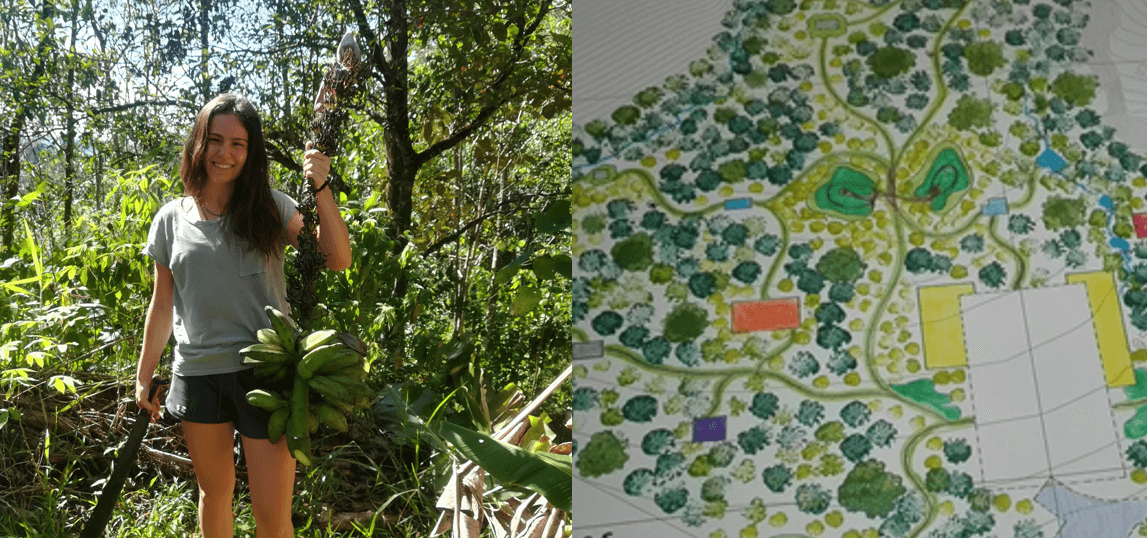
Overview
Permaculture analysis is addressed beginning with a conceptualization as the “permanent culture” (and beyond) and as the sustainable and resilient, intelligent, regenerative design, emphasizing its applications to urban agriculture systems, including intangible energies. The environmental and social aspects of sustainability, the importance of integrality and interdisciplinarity, the need for systems designed in terms of efficiency and resilience, and the implications of the values and principles promoted by permaculture on a personal and community level are studied. The course aims to provide students with basic skills to identify improvement opportunities in current systems and propose efficient, regenerative, and productive solutions for them; or initiate design proposals from scratch, both in the field and in the city. Also, it facilitates the development of primary analysis capabilities through Permaculture and the ability to integrate essential elements for the construction of a design proposal through Permaculture. The scientific method and the elaboration of projects throughout the entire course are applied. Capabilities of analysis, design, and problem-solving are gathered. A project directly related to communities is prepared to apply real improvements to cities, towns, families, and other types of human congregations and organizations. The Veritas garden is used as a living laboratory, which allows deep observation, analysis, and organization of ideas for successful design.
- Code
- ENV 2800
- Language
- English
- Terms
- Fall, Spring, Summer II
- Credit
- 4 credits / 60 contact hours
- Fees
- Contact us for information on course tuition
Information